business
When Coworkers Fall in Love: The Quiet Crisis Companies Keep Failing to Manage
Workplace romance is more common than ever, with over half of US workers reporting one, yet roughly seventy percent stay hidden from HR. The viral 2025 Astronomer kiss cam scandal showed what happens when senior leaders skip disclosure. This piece looks at the data, the legal tools companies actually use, and why the people most often punished for office romance are rarely the ones with the most power to prevent it.
Partially Qualified · May 10, 2026
science
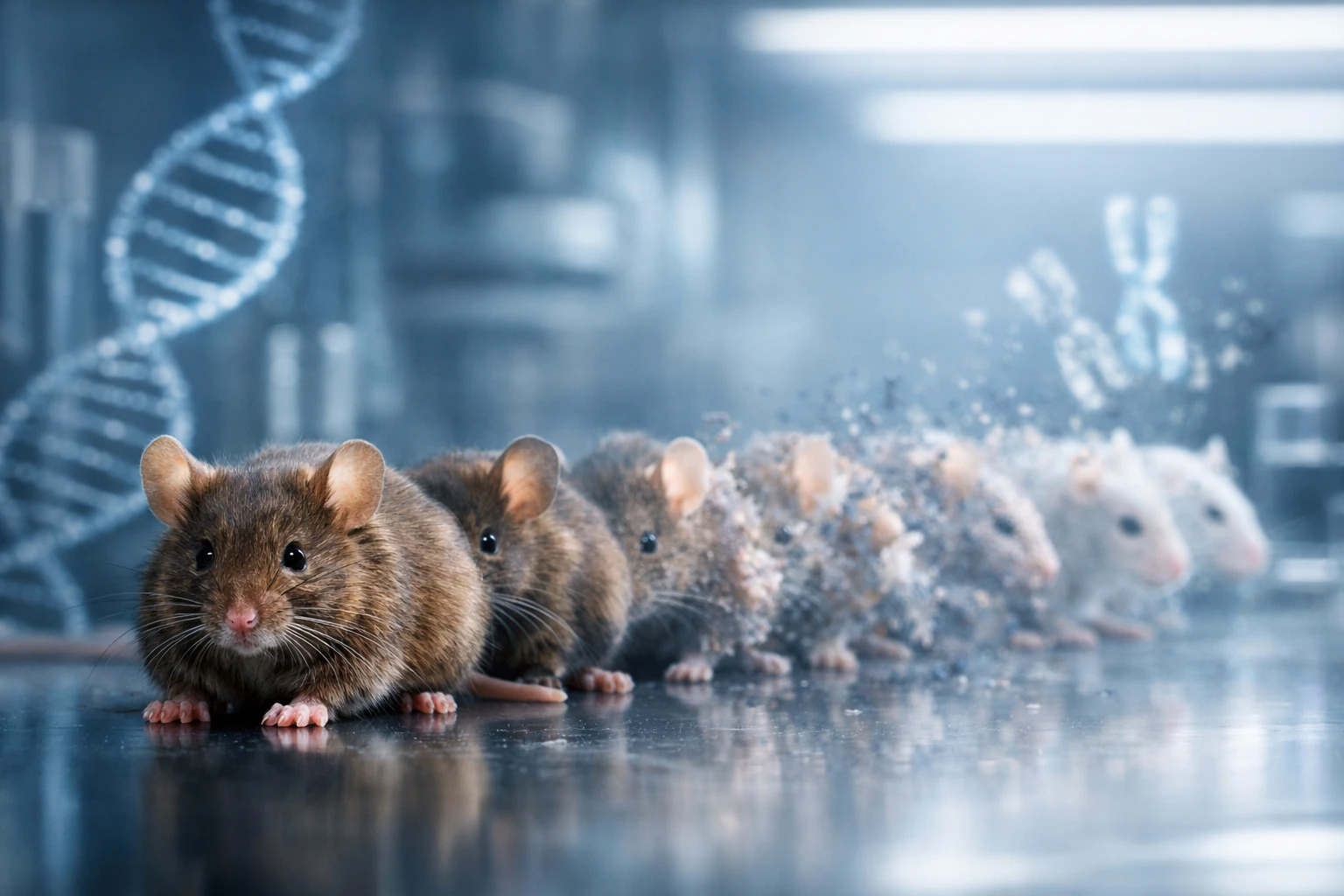
Biological limits to mammal cloning revealed
A 2026 Nature Communications study found that serial mammal cloning has a hard biological limit. After 20 years, 58 generations, and 30,947 nuclear transfer attempts from a single donor mouse, researchers showed that harmful mutations and structural DNA damage accumulate until cloned offspring can no longer survive. The findings provide the first direct mammalian evidence of mutational meltdown, with major implications for animal cloning, conservation, livestock breeding, and the long-term limits of asexual reproduction.
Partially Qualified · May 3, 2026
science
Why Does an Hour Have 60 Minutes?
Why does an hour have 60 minutes? The answer begins with the Sumerians, whose base-60 mathematics shaped ancient Mesopotamian measurement systems. The Babylonians applied this sexagesimal system to astronomy, the Egyptians divided the day into 24 hours, and the Greeks refined timekeeping with fixed hours, minutes, and seconds. Modern clocks still reflect this remarkable fusion of Sumerian mathematics, Babylonian astronomy, Egyptian observation, and Greek scientific precision.
Partially Qualified · Apr 20, 2026
science
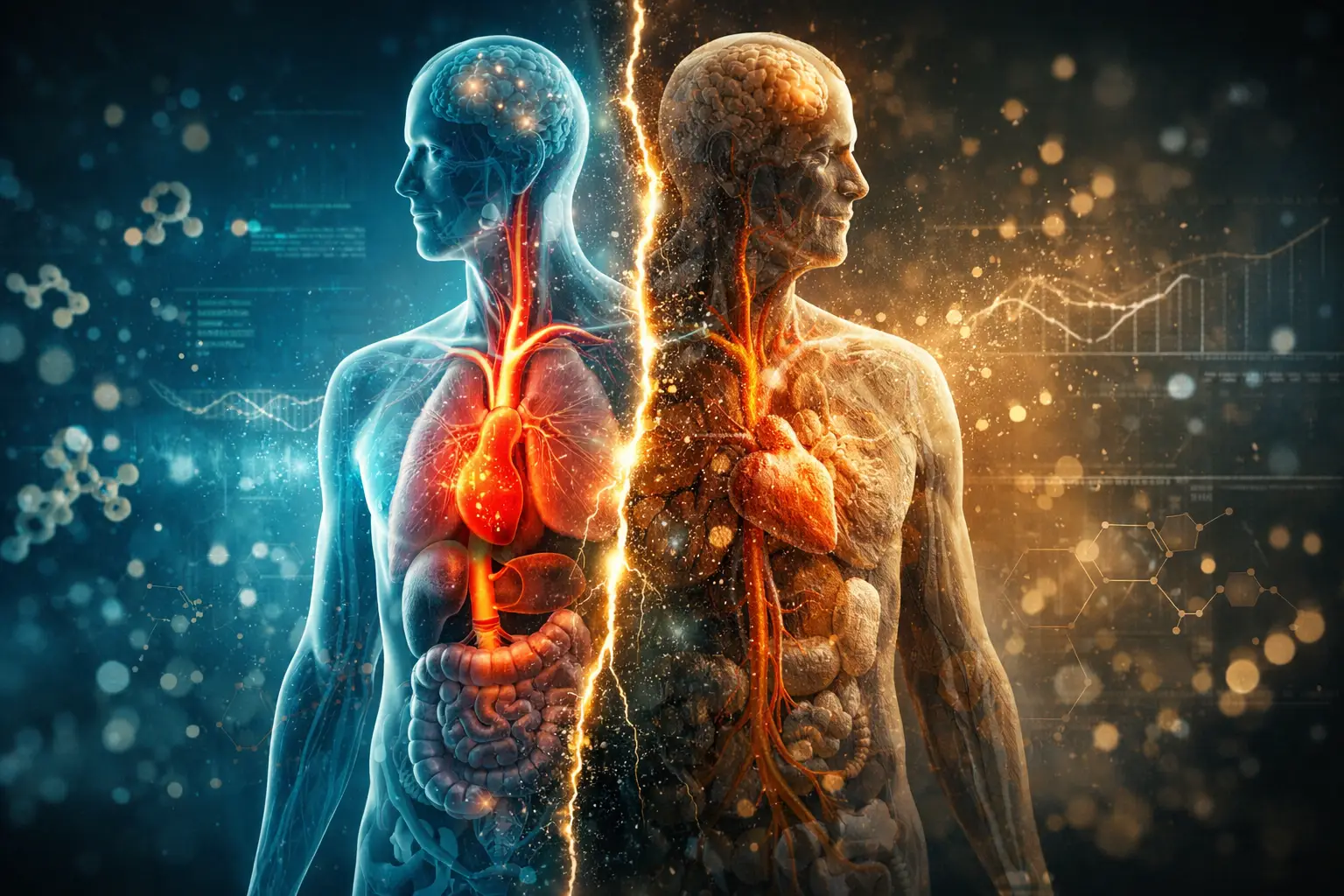
Age 50 marks accelerated aging turning point
A major Cell study reveals that human aging does not happen at a steady pace but accelerates sharply around age 50. By analysing proteins across 13 human tissues, researchers found that blood vessels may age earliest, while organs like the adrenal glands show changes as early as 30. The findings highlight proteomic aging, vascular decline, and proteins such as GAS6 as key drivers of age-related disease and potential targets for future anti-aging treatments.
Partially Qualified · Apr 16, 2026
history
The Moment Persia Became Iran: The Decision That Changed the Geopolitical Landscape Forever
On March 21, 1935, Reza Shah Pahlavi asked the world to stop calling his country Persia and use Iran instead, marking a turning point in modern Middle Eastern history. The change symbolised national sovereignty, cultural self-definition, and a break from colonial-era perceptions. From oil politics and the 1953 coup to the 1979 revolution and the Strait of Hormuz, the renaming of Iran became deeply tied to global geopolitics and energy power.
Partially Qualified · Apr 10, 2026
environment
Sea Level Rise: A Dangerous Blind Spot in the Science
A major Nature study warns that most coastal sea-level rise research has underestimated real-world risk by relying on flawed geoid models instead of measured sea levels. The review of 385 studies found that actual coastal sea levels are often significantly higher than assumed, especially across Southeast Asia and the Indo-Pacific. Corrected estimates suggest millions more people and much more land are at risk from flooding, storm surges, and climate-driven coastal inundation.
Partially Qualified · Apr 5, 2026
science
AI Brain Fry
A new 2026 study from BCG and UC Riverside identifies “AI brain fry” as a growing workplace risk caused by prolonged, intensive use of AI tools. Unlike burnout, this is acute cognitive overload linked to AI oversight, multitasking, and constant trust-checking. The research shows higher decision fatigue, more errors, and stronger turnover intent among affected employees, highlighting the need for smarter AI workflows, limited tool switching, and better protection of employee cognitive health.
Partially Qualified · Apr 1, 2026
science
Why Do Women Live Longer?
Women live longer than men because of a powerful mix of biology, genetics, hormones, behavior, and social connection. Research suggests estrogen protects the heart, two X chromosomes provide genetic backup, and longer telomeres may slow cellular aging. Women also tend to seek preventive healthcare earlier and maintain stronger social networks. Together, these factors help explain the global female longevity advantage and why women consistently outlive men.
Partially Qualified · Mar 25, 2026
environment
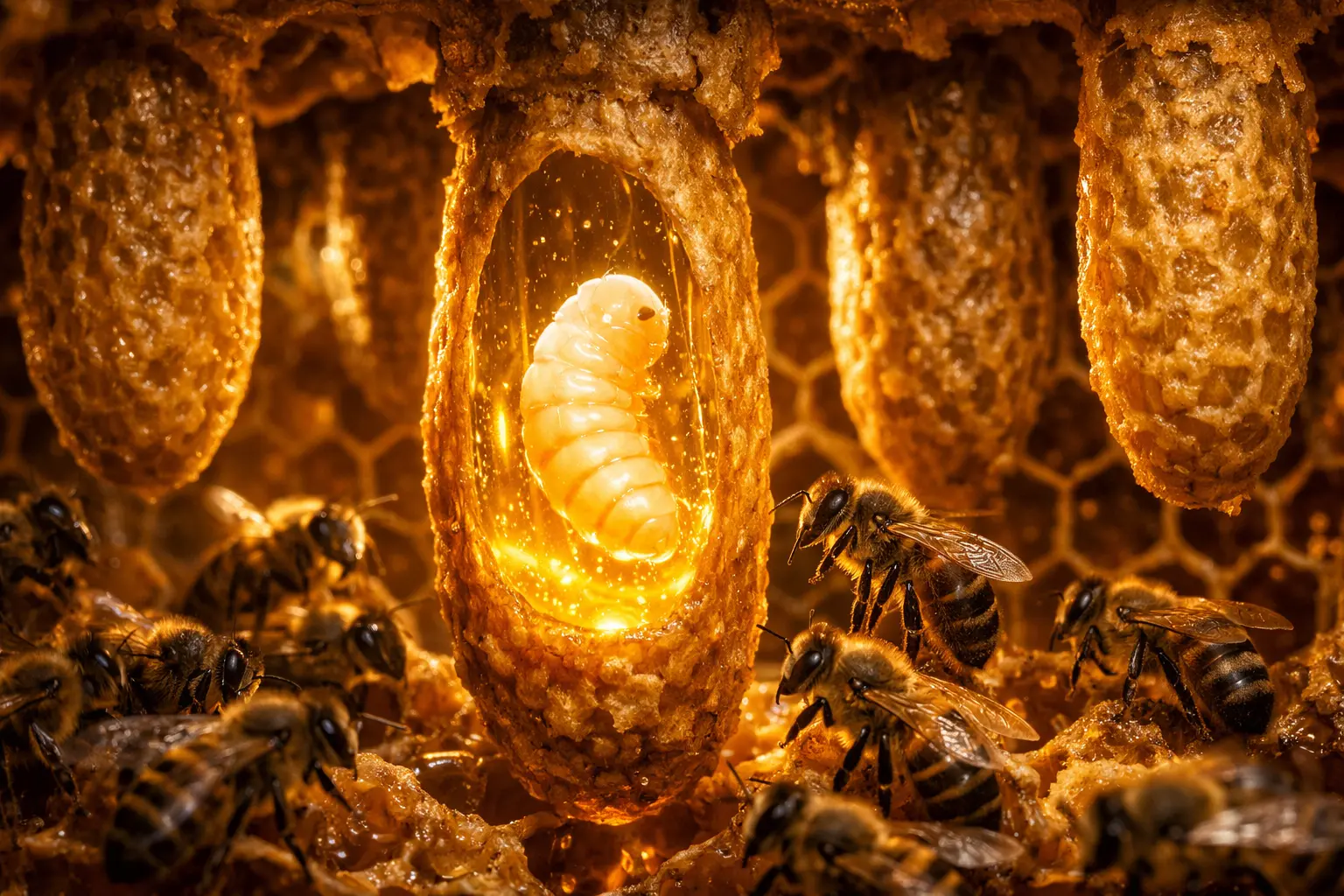
How Do Bees Choose Their Queen?
Honeybees choose their queen through a precise biological process driven by worker bees, royal jelly, pheromones, and specialized queen cells. When a hive needs a new queen because of aging, swarming, or sudden loss, workers select very young larvae and feed them exclusively on royal jelly, triggering queen development. The surviving virgin queen then defeats rivals, takes mating flights, and becomes the colony’s only fertile female, ensuring hive survival through collective intelligence.
Partially Qualified · Mar 19, 2026