science
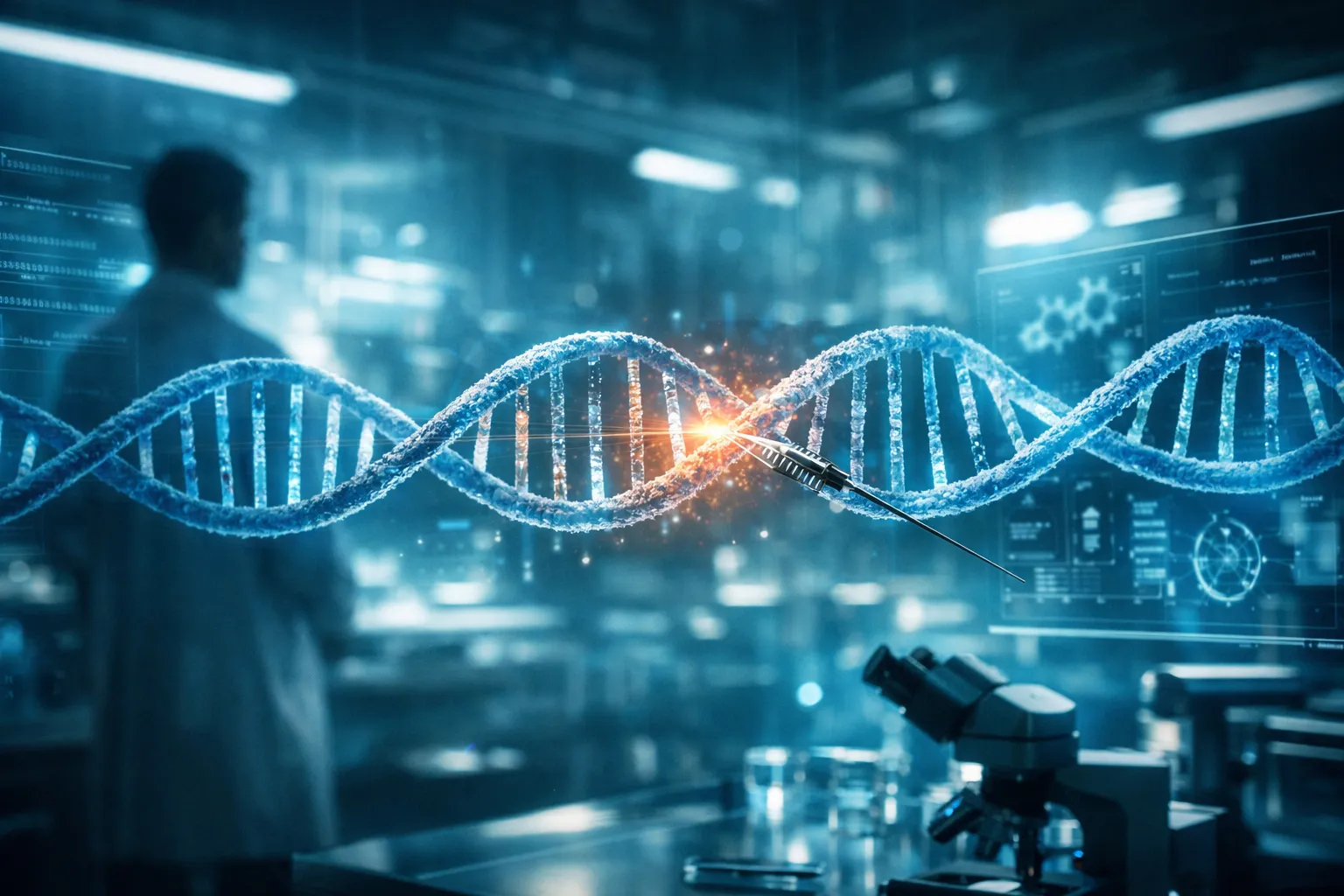
A Decade of Gene Editing
CRISPR gene editing has transformed modern medicine by enabling scientists to precisely target and modify DNA mutations linked to genetic diseases. From the approval of Casgevy for sickle cell disease to personalized therapies for rare disorders, CRISPR is reshaping treatment options. This article explains how CRISPR works, its medical breakthroughs, emerging technologies like base and prime editing, and the ethical, financial, and scientific challenges that will define the future of gene editing.
Partially Qualified · Mar 13, 2026
technology
Small Modular Reactors: The Next Chapter in Nuclear Energy
Small modular reactors (SMRs) are emerging as a major next step in nuclear energy, promising lower upfront costs, faster construction, modular deployment, and improved safety compared with conventional large reactors. This article explains how SMRs work, explores key reactor technologies such as light-water, molten salt, and fast reactors, and examines the biggest opportunities and risks shaping their future in clean energy, industrial decarbonization, and reliable power generation.
Partially Qualified · Mar 7, 2026
science
The Importance of Zero: The Number That Changed Everything
Zero is one of the most important concepts in human history, transforming mathematics, science, philosophy, finance, and computing. From its origins in Babylon, the Maya, and India to its central role in algebra, calculus, physics, and binary code, zero made modern civilization possible. This article explores the history of zero, why it matters, and how the number zero became the foundation of technology, innovation, and our understanding of the universe.
Partially Qualified · Mar 2, 2026