science
Why Does an Hour Have 60 Minutes?
Why does an hour have 60 minutes? The answer begins with the Sumerians, whose base-60 mathematics shaped ancient Mesopotamian measurement systems. The Babylonians applied this sexagesimal system to astronomy, the Egyptians divided the day into 24 hours, and the Greeks refined timekeeping with fixed hours, minutes, and seconds. Modern clocks still reflect this remarkable fusion of Sumerian mathematics, Babylonian astronomy, Egyptian observation, and Greek scientific precision.
Partially Qualified · Apr 20, 2026
science
Age 50 marks accelerated aging turning point
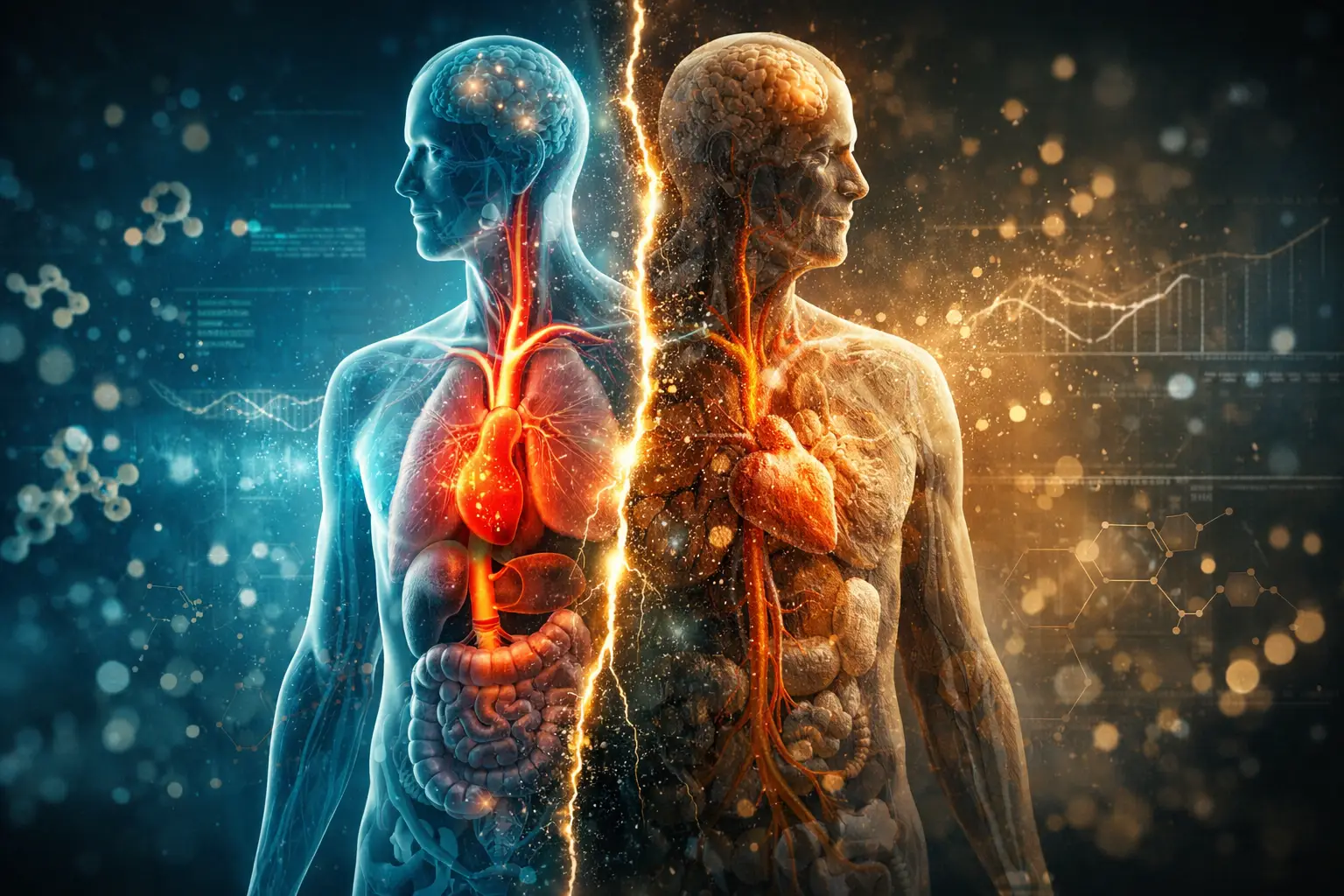
A major Cell study reveals that human aging does not happen at a steady pace but accelerates sharply around age 50. By analysing proteins across 13 human tissues, researchers found that blood vessels may age earliest, while organs like the adrenal glands show changes as early as 30. The findings highlight proteomic aging, vascular decline, and proteins such as GAS6 as key drivers of age-related disease and potential targets for future anti-aging treatments.
Partially Qualified · Apr 16, 2026
science
AI Brain Fry
A new 2026 study from BCG and UC Riverside identifies “AI brain fry” as a growing workplace risk caused by prolonged, intensive use of AI tools. Unlike burnout, this is acute cognitive overload linked to AI oversight, multitasking, and constant trust-checking. The research shows higher decision fatigue, more errors, and stronger turnover intent among affected employees, highlighting the need for smarter AI workflows, limited tool switching, and better protection of employee cognitive health.
Partially Qualified · Apr 1, 2026
science
Why Do Women Live Longer?
Women live longer than men because of a powerful mix of biology, genetics, hormones, behavior, and social connection. Research suggests estrogen protects the heart, two X chromosomes provide genetic backup, and longer telomeres may slow cellular aging. Women also tend to seek preventive healthcare earlier and maintain stronger social networks. Together, these factors help explain the global female longevity advantage and why women consistently outlive men.
Partially Qualified · Mar 25, 2026
science
A Decade of Gene Editing
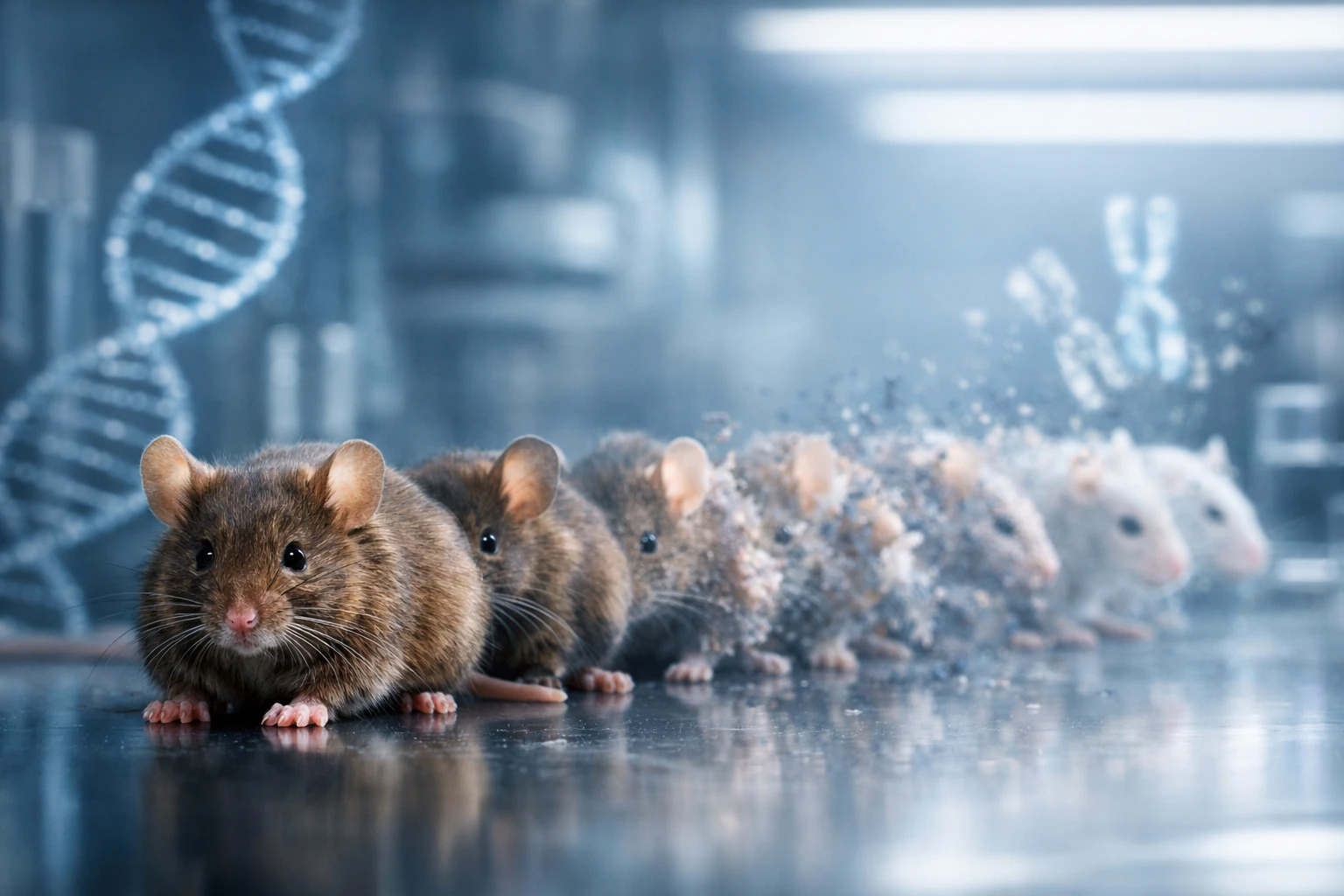
CRISPR gene editing has transformed modern medicine by enabling scientists to precisely target and modify DNA mutations linked to genetic diseases. From the approval of Casgevy for sickle cell disease to personalized therapies for rare disorders, CRISPR is reshaping treatment options. This article explains how CRISPR works, its medical breakthroughs, emerging technologies like base and prime editing, and the ethical, financial, and scientific challenges that will define the future of gene editing.
Partially Qualified · Mar 13, 2026
science
The Importance of Zero: The Number That Changed Everything
Zero is one of the most important concepts in human history, transforming mathematics, science, philosophy, finance, and computing. From its origins in Babylon, the Maya, and India to its central role in algebra, calculus, physics, and binary code, zero made modern civilization possible. This article explores the history of zero, why it matters, and how the number zero became the foundation of technology, innovation, and our understanding of the universe.
Partially Qualified · Mar 2, 2026